
Essential Shutter Maintenance Tips for Longevity
Keep your plantation shutters looking beautiful for decades with these professional maintenance and cleaning techniques, organized by material type with solutions for common issues.
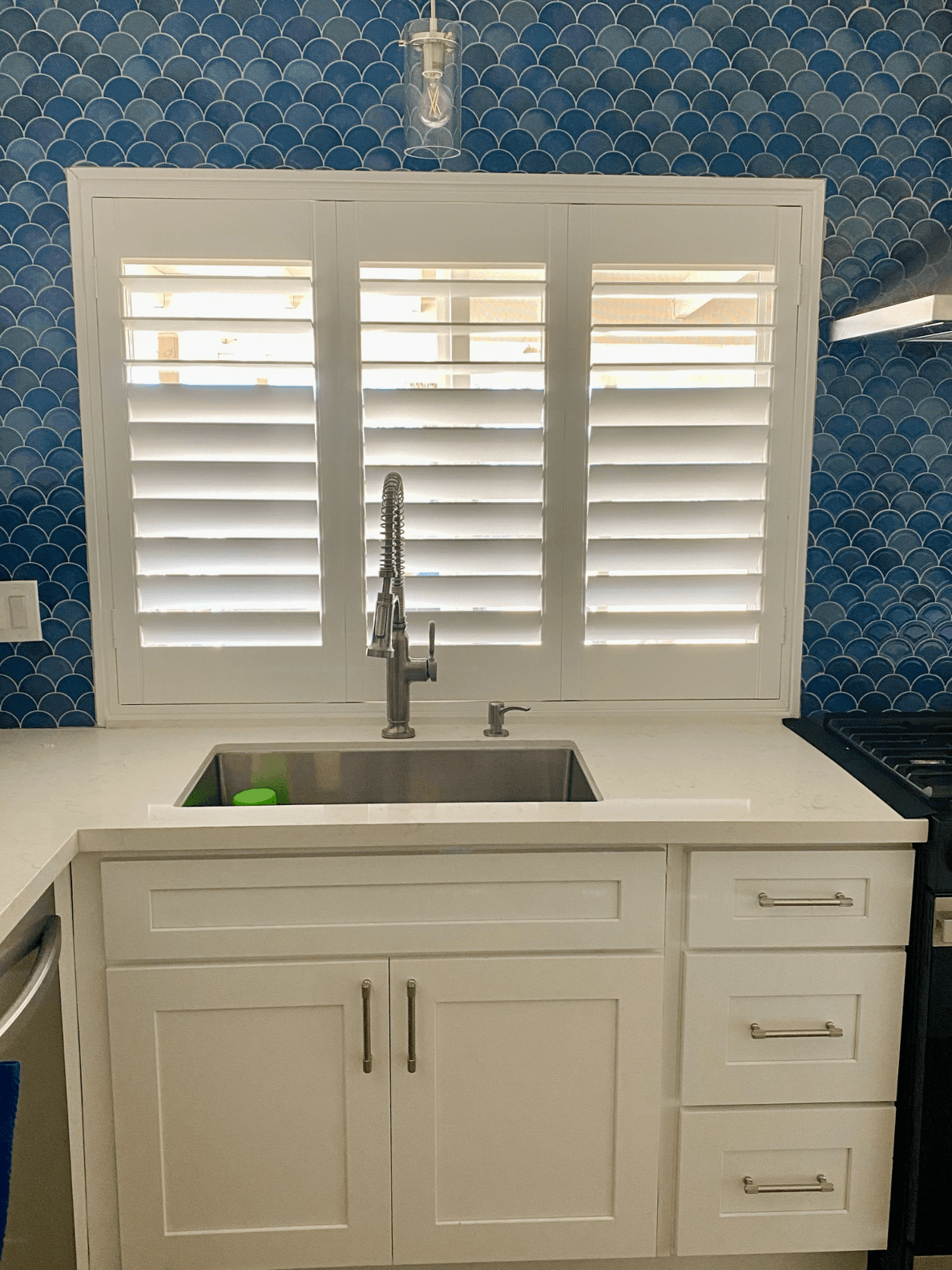
One of the greatest advantages of plantation shutters is their low-maintenance nature. Unlike fabric window treatments that require washing, or blinds with delicate mechanisms that break, quality shutters need only basic care to maintain their beauty for 20-30 years. Here's your complete guide to proper shutter maintenance.
Regular Dusting: Your Primary Defense
Dust is the main enemy of clean, beautiful shutters. Fortunately, it's easily managed with a consistent routine:
Recommended Frequency
- Light dusting: Every 1-2 weeks
- Thorough dusting: Monthly
- Adjust based on your environment - homes with pets, near roads, or in dusty climates may need more frequent attention
Best Dusting Tools
- Microfiber cloth or duster (most effective at trapping dust)
- Feather duster (good for quick maintenance)
- Soft brush vacuum attachment on low suction
- Electrostatic dusting cloths
Proper Technique
- Close louvers in one direction (tilted down)
- Dust each louver from the center outward to the edges
- Tilt louvers the opposite direction (tilted up)
- Dust the newly exposed surfaces
- Wipe the frame and any visible hinges
Pro tip: A clean, dry dryer sheet can dust shutters effectively while leaving an anti-static coating that helps repel future dust accumulation. This is particularly useful for homes with persistent dust issues.
Deep Cleaning: Monthly or As Needed
When dusting isn't enough, a deeper clean restores your shutters to like-new condition:
Basic Deep Cleaning Steps
- Mix a few drops of mild dish soap in warm water
- Dampen (don't saturate) a microfiber cloth
- Wipe each louver from the center outward on both sides
- Pay attention to edges where grime accumulates
- Dry immediately with a clean, dry cloth
- Wipe down the frame and all hardware
Important: Always wring cloths thoroughly - you want them damp, not wet. Excess water can damage finishes and, with wood shutters, cause swelling or warping.
Material-Specific Care Guidelines
Composite Shutters
Composite is the most forgiving material for cleaning:
- Can tolerate slightly more moisture than other materials
- Mild household cleaners are generally safe (test in inconspicuous area first)
- Great for bathroom cleaning with a damp cloth
- No conditioning or special treatments needed
- Avoid abrasive scrubbers that could scratch the finish
Wood Shutters
Natural wood requires more careful attention:
- Use minimal water - always dry immediately
- Apply furniture polish or wood conditioner 1-2 times per year to prevent drying and cracking
- Avoid silicone-based polishes that can build up
- In dry climates, consider a humidifier to prevent wood from drying out
- Address any water exposure immediately
Vinyl Shutters
Vinyl is extremely easy to maintain:
- Can be cleaned with most household cleaners
- Handles moisture well - ideal for wet areas
- Never use acetone, lacquer thinner, or harsh solvents
- A magic eraser works well on stubborn spots
Faux Wood Shutters
- Similar care to composite - damp cloth with mild soap
- More moisture-tolerant than real wood
- Avoid excessive heat exposure
- No special conditioning needed
Handling Common Issues
Sticky or Stiff Louvers
If louvers become difficult to tilt:
- Check for dust or debris buildup in the tension mechanism
- Apply a small amount of silicone-based lubricant to the tilt rod mechanism
- Avoid WD-40 and petroleum-based lubricants, which attract dust
- If problem persists, hinges may need adjustment by a professional
Loose Hinges or Panels
Over time, hinges may loosen from repeated use:
- Tighten screws with an appropriate screwdriver
- If screws won't hold (stripped holes), remove them and fill the holes with wood filler or toothpicks with wood glue
- Allow filler to dry completely before re-drilling pilot holes and replacing screws
Minor Scratches (Wood Shutters)
Small scratches in wood finishes can often be repaired:
- For stained wood: Apply matching wood stain with a fine brush, let dry, seal with clear topcoat
- For painted wood: Touch up with matching paint using a small brush
- For deeper scratches: Light sanding and refinishing may be needed
Yellowing (White Shutters)
Some yellowing over time is normal, particularly with sun exposure:
- Clean with a paste of baking soda and water, applied with a soft cloth
- A mild bleach solution (10:1 water to bleach) can help, but test first
- Severe yellowing may indicate the need for professional repainting
- Quality composite shutters resist yellowing better than lower-grade products
What to Absolutely Avoid
- Pressure washing: Way too much water - will damage any shutter type
- Bleach (undiluted): Can discolor and damage finishes
- Abrasive scrubbers: Will scratch and dull surfaces
- Steam cleaners: Excessive moisture and heat can warp louvers
- Leaving wet: Always dry shutters immediately after any wet cleaning
- Ammonia-based cleaners on wood: Can damage the finish
- Excessive force: Gently operate louvers and panels
When to Call a Professional
Some issues require professional attention:
- Broken or cracked louvers or frames
- Warped panels that won't close properly
- Complete refinishing or repainting needs
- Hardware replacement or hinge repair
- Realignment of multi-panel installations
- Damage from water intrusion or accidents
Most shutter manufacturers and local installers offer repair services. Addressing issues promptly prevents small problems from becoming major (and expensive) repairs.
Maintenance Schedule Summary
| Task | Frequency |
|---|---|
| Light dusting | Weekly to bi-weekly |
| Thorough dusting | Monthly |
| Deep cleaning | Every 3-6 months |
| Hardware check | Every 6 months |
| Wood conditioning | 1-2 times per year (wood only) |
| Professional inspection | Every 2-3 years (optional) |
With proper care, quality plantation shutters will maintain their beauty and function for 25+ years - making them one of the best long-term values in window treatments. A few minutes of maintenance each week pays dividends in lasting performance and appearance.