
Composite vs. Wood Shutters: Which is Right for You?
A detailed comparison of composite and natural wood plantation shutters, covering durability, cost, maintenance, and the best use cases for each material to help you make the perfect choice.
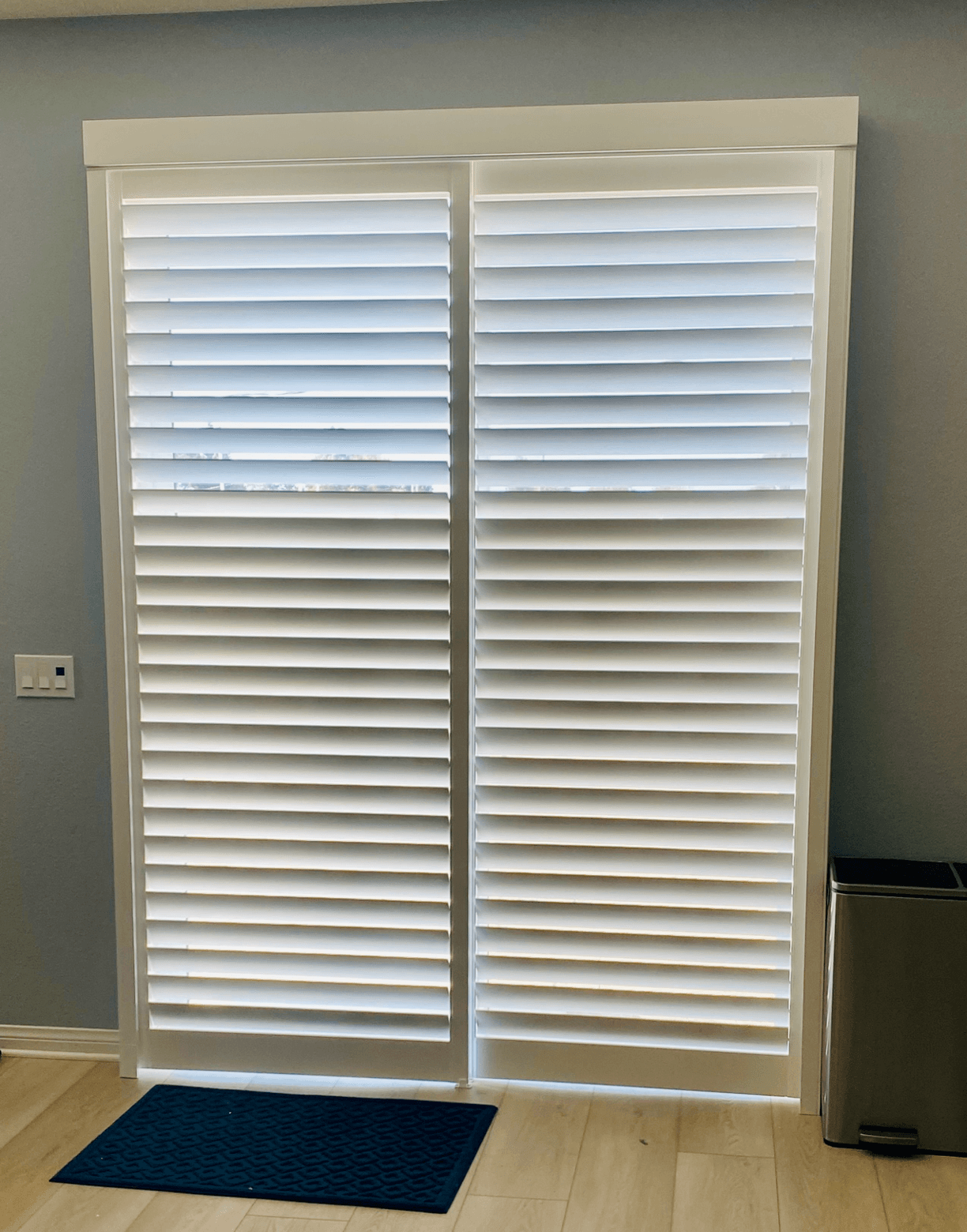
When shopping for plantation shutters, one of the first and most important decisions you'll face is choosing between composite and natural wood materials. Both options have distinct advantages, and understanding the differences will help you make the right choice for your specific needs, budget, and lifestyle.
Composite Shutters: The Modern Workhorse
What They Are
Composite shutters are manufactured from engineered wood products - typically medium-density fiberboard (MDF) or a proprietary blend of wood fibers and synthetic polymers. The core material is then wrapped or coated with a durable polymer finish that creates a smooth, paintable surface.
This construction method combines the workability of wood with the durability advantages of modern materials, resulting in a product specifically engineered for the demands of window treatments.
Key Advantages of Composite
- Superior moisture resistance: Composite shutters won't warp, swell, crack, or delaminate when exposed to humidity. This makes them ideal for bathrooms, kitchens, and homes in humid climates where natural wood would struggle.
- Exceptional finish durability: The factory-applied polymer coating is incredibly resistant to chipping, scratching, fading, and yellowing. Unlike painted wood, which may need touch-ups over time, composite finishes maintain their appearance for decades.
- Consistent appearance: Because they're manufactured from homogeneous materials, composite shutters have a uniform appearance without the natural variations, knots, or grain patterns found in wood. For homeowners who prefer a clean, flawless look, this is a significant advantage.
- Lower cost: Composite shutters typically cost 20-30% less than comparable hardwood options, making quality plantation shutters accessible to more homeowners.
- Environmental benefits: Many composite shutters use recycled wood fibers and sustainable manufacturing processes, making them an eco-friendly choice.
- Minimal maintenance: Wipe clean with a damp cloth - no polishing, conditioning, or special care required.
Considerations for Composite
- Weight: Composite materials are typically heavier than natural wood, which can matter for very large window panels. Extra-wide shutters may require additional hinge support.
- Finish limitations: Composite shutters can only be painted, not stained. If you want to match existing stained woodwork, composite isn't the right choice.
- Perceived value: Some homeowners feel that composite lacks the premium, natural feel of real wood. For formal living spaces where tactile quality matters, this may be a consideration.
- Repair limitations: While extremely durable, composite shutters can't be sanded and refinished like wood. Significant damage typically requires replacement rather than repair.
Wood Shutters: Timeless Natural Beauty
What They Are
Natural wood shutters are crafted from solid hardwoods, with basswood being the most popular choice due to its fine grain, light weight, and excellent workability. Other options include poplar, alder, and premium hardwoods like oak or mahogany for high-end applications.
Wood shutters can be finished with paint for a classic look, or stained to showcase the natural grain and warmth of real wood.
Key Advantages of Wood
- Natural beauty: There's simply no substitute for the warmth, character, and organic beauty of real wood. The subtle grain patterns and natural variations create visual interest that manufactured materials can't fully replicate.
- Lightweight operation: Quality basswood shutters are lighter than composite alternatives, making them easier to operate and putting less stress on hinges over time.
- Staining options: Wood can be stained to match existing trim, doors, or furniture, creating a cohesive, custom look throughout your home.
- Refinishing capability: Scratches, dents, or worn finishes can be sanded out and refinished, extending the life of your investment. You can even change from stain to paint (or vice versa) when your tastes change.
- Premium perception: Real wood shutters convey quality and attention to detail, which can be important in formal spaces or for homeowners who value natural materials.
- Excellent insulation: Wood is a natural insulator, providing slightly better energy efficiency than some synthetic materials.
Considerations for Wood
- Moisture vulnerability: Natural wood absorbs moisture, which can cause warping, cracking, or finish failure in humid environments. Wood shutters are not recommended for bathrooms or other high-moisture areas.
- Climate sensitivity: Extreme temperature fluctuations can cause wood to expand and contract, potentially leading to warping or finish cracks in poorly climate-controlled spaces.
- Higher cost: Quality hardwood shutters command a premium price, typically 25-40% more than equivalent composite options.
- Maintenance requirements: Wood benefits from occasional conditioning with furniture polish and requires more careful cleaning than composite.
- Finish maintenance: Painted wood finishes may chip or wear over time, requiring touch-ups to maintain appearance.
Head-to-Head Comparison
| Factor | Composite | Wood | Winner |
|---|---|---|---|
| Price | $$ (Lower) | $$$ (Higher) | Composite |
| Moisture Resistance | Excellent | Poor | Composite |
| Weight | Heavier | Lighter | Wood |
| Finish Options | Paint only | Paint or stain | Wood |
| Finish Durability | Excellent | Good | Composite |
| Repairability | Limited | Can be refinished | Wood |
| Natural Beauty | Good | Excellent | Wood |
| Maintenance | Minimal | Moderate | Composite |
| Climate Tolerance | Excellent | Moderate | Composite |
| Lifespan | 25+ years | 25+ years (with care) | Tie |
Room-by-Room Recommendations
Choose Composite For:
- Bathrooms and powder rooms
- Kitchens (especially near sinks)
- Laundry rooms
- Basements or below-grade spaces
- Sunrooms with significant temperature variation
- Homes in humid climates (coastal areas, tropical regions)
- High-traffic family rooms where durability matters
- Rental properties where low maintenance is essential
Choose Wood For:
- Formal living rooms and dining rooms
- Master bedrooms and guest bedrooms
- Home offices and studies
- Historic homes where authenticity matters
- Spaces where you want to match existing stained woodwork
- Rooms where the tactile quality of natural materials is valued
The Best of Both Worlds
Many savvy homeowners opt for a mixed approach: composite shutters in moisture-prone areas (bathrooms, kitchens) and natural wood shutters in formal living spaces (living rooms, bedrooms, dining rooms). This strategy maximizes both durability and beauty while optimizing your budget.
When choosing between these options, remember that both composite and wood plantation shutters are premium window treatments that will add beauty and value to your home for decades. The "right" choice depends on your specific circumstances, priorities, and aesthetic preferences.
Not sure which material will look best in your space? AI visualization tools can show you photorealistic renderings of both composite and wood shutters in your actual room, helping you make the decision with confidence before you invest.