
The Complete Guide to Plantation Shutters
Everything you need to know about plantation shutters, from materials and styles to installation options and cost considerations. Your comprehensive resource for making the right choice.
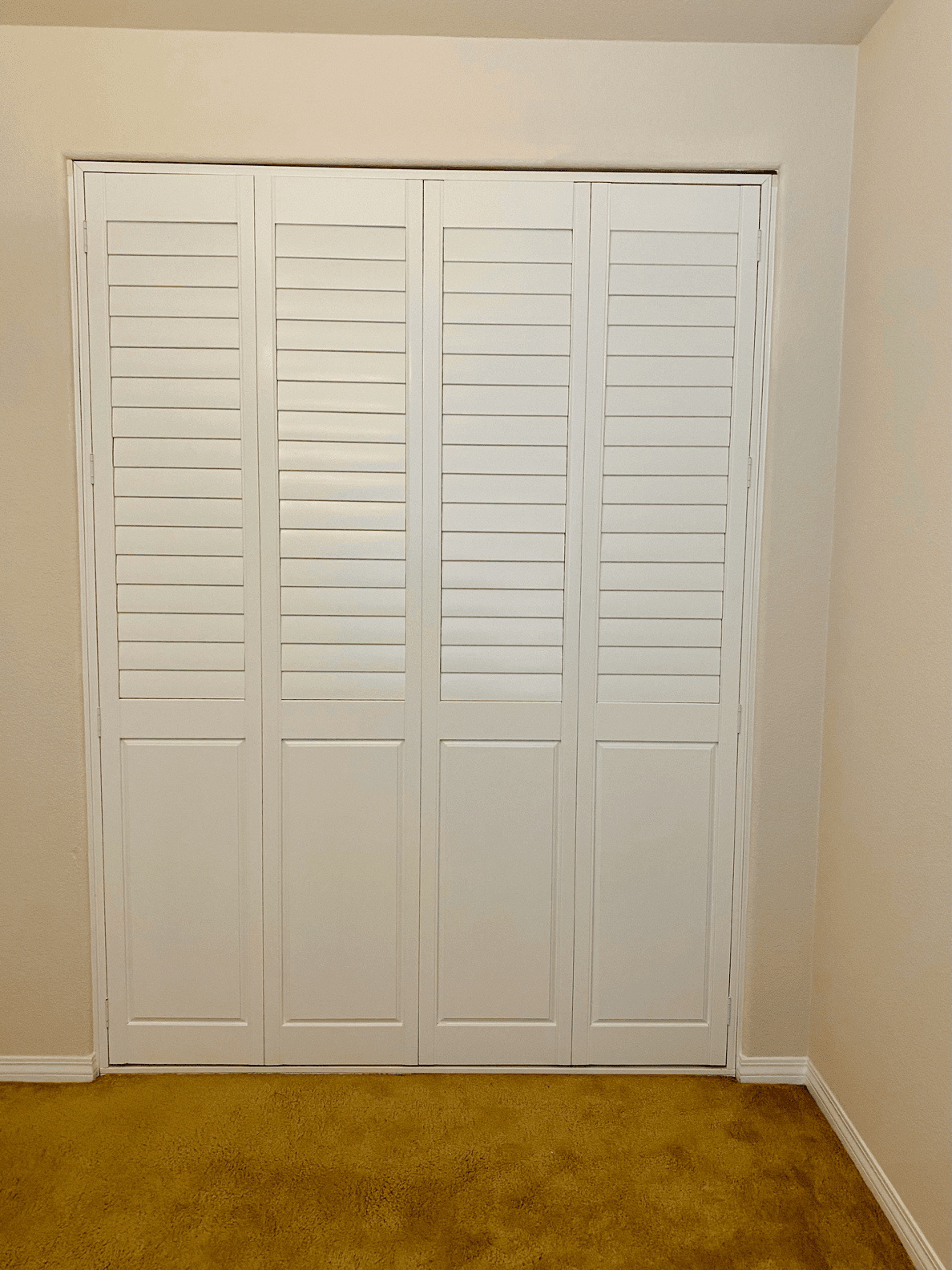
Plantation shutters have been a beloved window treatment for centuries, originating in the antebellum American South where they provided essential ventilation while blocking harsh sunlight. Today, they remain one of the most popular and valuable window treatments you can install in your home, prized for their timeless elegance, exceptional functionality, and lasting durability.
This comprehensive guide covers everything you need to know to make an informed decision about plantation shutters for your home.
What Are Plantation Shutters?
Plantation shutters are interior window coverings consisting of a solid frame containing horizontal slats (called louvers) that can be tilted to control light and privacy. Unlike traditional colonial shutters with narrow slats, plantation shutters feature wider louvers, typically ranging from 2.5 to 4.5 inches, giving them their distinctive, elegant appearance.
The shutters are typically hinged to the window frame and can swing open for full access to the window, or remain closed with adjustable louvers for precise light control. Most modern plantation shutters include a tilt rod mechanism that allows all louvers to be adjusted simultaneously.
Materials: Your Complete Options
Composite (Engineered Wood)
Composite shutters have become the most popular choice for good reason. Made from engineered wood products (typically MDF or wood fiber compounds) with a durable polymer coating, they offer an excellent balance of beauty, durability, and value.
Advantages:
- Excellent moisture resistance - won't warp, crack, or swell
- Factory-applied finish resists chipping, fading, and yellowing for decades
- Consistent, uniform appearance without natural variations
- More affordable than solid hardwood (typically 20-30% less)
- Extremely low maintenance requirements
- Environmentally friendly - uses recycled materials
Considerations:
- Heavier than natural wood, which may require additional support for very large panels
- Cannot be stained, only available in painted finishes
- May lack the warm, natural feel of real wood for some homeowners
Ideal for: Bathrooms, kitchens, laundry rooms, and any room where durability and low maintenance are priorities. Also excellent for homes in humid climates.
Basswood (Premium Hardwood)
Basswood is the gold standard for wood plantation shutters. This North American hardwood is prized for its fine grain, light weight, and excellent workability.
Advantages:
- Beautiful natural wood grain adds warmth and character
- Lightweight - easier to operate and less stress on hinges
- Can be stained to match existing woodwork or painted any color
- Can be sanded and refinished if damaged or when you want a new look
- Excellent insulating properties
Considerations:
- Susceptible to moisture damage - not recommended for bathrooms
- May warp or crack in extreme temperature fluctuations
- Higher price point than composite options
- Requires more careful maintenance
Ideal for: Living rooms, bedrooms, formal dining rooms, home offices, and any climate-controlled space where you want the beauty of natural wood.
Vinyl (PVC)
Vinyl shutters offer a budget-friendly option that's virtually impervious to moisture and requires minimal maintenance.
Advantages:
- Most affordable option for plantation shutters
- Completely waterproof - perfect for wet environments
- Never needs painting and won't fade or yellow
- Extremely durable and long-lasting
- Easy to clean with standard household cleaners
Considerations:
- Limited color options (typically only white or off-white)
- Can look less premium than wood or composite
- May warp in extremely hot conditions
- Hollow construction can feel less substantial
Ideal for: Bathrooms, laundry rooms, pool houses, and budget-conscious projects where moisture resistance is essential.
Faux Wood
Faux wood shutters offer a middle-ground option, combining the appearance of wood with enhanced moisture resistance.
Advantages:
- Mimics the look of real wood at a lower price point
- Better moisture resistance than natural wood
- More affordable than real hardwood
- UV resistant - won't yellow over time
Considerations:
- Heavier than real wood or vinyl
- Cannot be refinished like real wood
- May not perfectly replicate real wood grain
Ideal for: Humid environments where you want a wood-like appearance without the vulnerabilities of natural wood.
Louver Sizes Explained
The width of your shutter louvers significantly impacts both aesthetics and functionality. Here's what to consider:
2.5-Inch Louvers
- Traditional, classic appearance that suits colonial and historical homes
- More louvers per panel creates a detailed, textured look
- Better privacy when closed due to smaller gaps
- Slightly more light blockage capability
- Best suited for smaller windows (under 24 inches wide)
3.5-Inch Louvers
- The most popular and versatile size
- Excellent balance of view, light control, and privacy
- Works well with most window sizes and home styles
- Easier to clean than smaller louvers
- The safe choice when you're unsure
4.5-Inch Louvers
- Modern, dramatic appearance
- Maximum view when louvers are open
- Fewer louvers create a cleaner, more contemporary look
- Easiest to clean of all sizes
- Best for large windows and modern architecture
Frame Styles
The frame holds your shutter panels and attaches them to your window. Common options include:
- L-Frame: The most basic and economical frame style. The L-shaped profile sits against the window casing, providing a clean finish.
- Z-Frame: Features an extended lip that covers more of the window opening, hiding imperfections and gaps in the window frame. Popular for older homes.
- Deco Frame (Decorative): Adds an ornamental profile that creates architectural interest and a more substantial, furniture-like appearance.
- Bullnose Frame: Features a rounded edge for a softer, more casual look that works well in contemporary spaces.
Mount Types
Inside Mount
Shutters fit within the window frame opening, creating a clean, built-in appearance. This is the most popular choice when window depth allows (typically requires at least 2.5 inches of depth). Inside mount shutters look seamless and don't obscure decorative window trim.
Outside Mount
Shutters attach to the wall or window casing outside the window frame. This option works when windows lack adequate depth for inside mounting, or when you want to make windows appear larger. Outside mount can also cover imperfections in the window frame.
Key Benefits of Plantation Shutters
- Energy Efficiency: Shutters create an insulating air pocket between the window and room, reducing heat transfer and potentially lowering energy bills by 10-15%.
- Superior Light Control: Tilt louvers for precise light management - from fully open to completely closed, with infinite positions in between.
- Enhanced Privacy: Block views while still allowing airflow when louvers are angled appropriately.
- Exceptional Durability: Quality shutters last 20-30 years with proper care, far outlasting fabric treatments or blinds.
- Increased Home Value: One of the few window treatments that actually adds resale value to your home.
- Low Maintenance: Easy to clean, no cords or fabric to wear out, and no replacement costs.
- Allergy-Friendly: Unlike fabric drapes, shutters don't harbor dust mites or allergens.
- Child and Pet Safe: No dangling cords that pose safety risks.
Cost Considerations
Plantation shutters are a premium window treatment, but they offer excellent long-term value. Here's what to expect:
| Material | Price Range (per sq ft installed) |
|---|---|
| Vinyl | $15 - $25 |
| Faux Wood | $20 - $30 |
| Composite | $25 - $40 |
| Basswood | $35 - $50+ |
While the upfront cost is higher than blinds or curtains, plantation shutters typically last 3-5 times longer and add measurable value to your home at resale.
Making Your Decision
With so many options available, choosing the right plantation shutters can feel overwhelming. The best approach is to:
- Determine your budget and prioritize rooms
- Consider the specific needs of each room (moisture, light, privacy)
- Think about your home's architectural style
- Get samples and view them in your actual space
- Use visualization tools to see exactly how different options will look
Modern AI visualization technology makes this process much easier by allowing you to see photorealistic renderings of different shutter styles, colors, and louver sizes in your actual rooms before making a final decision.