
Choosing the Right Slat Size for Your Windows
Learn how to select the perfect louver size (2.5, 3.5, or 4.5 inches) based on your window dimensions, home style, and personal preferences for optimal function and aesthetics.
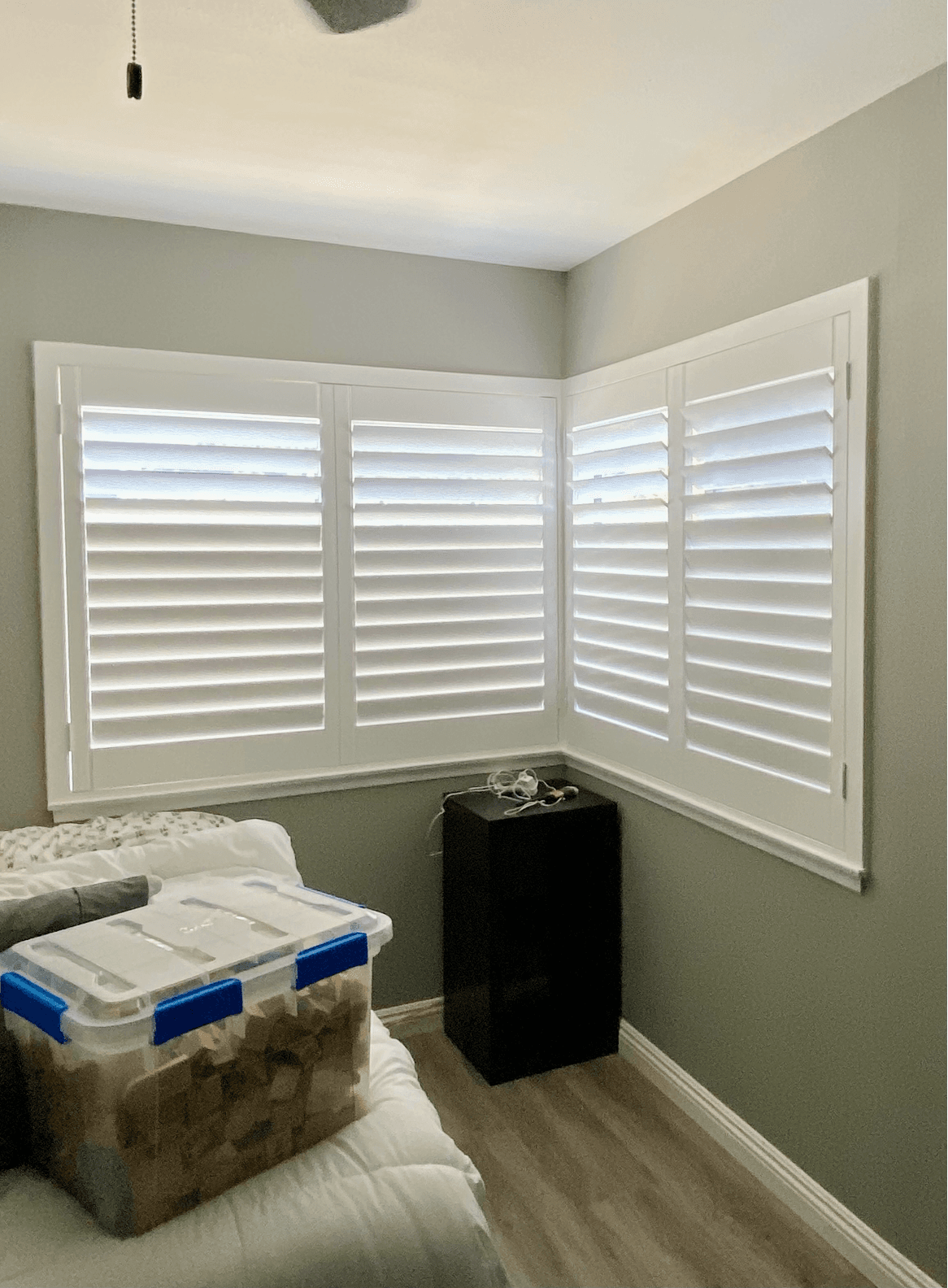
When ordering plantation shutters, louver size (also called slat size) might seem like a minor detail, but it significantly impacts both the aesthetics and functionality of your window treatments. Understanding the differences between available sizes will help you make a choice that enhances your windows and complements your home's style.
Understanding Your Louver Size Options
Plantation shutters typically come in three standard louver widths, each with distinct characteristics:
- 2.5 inches: Traditional, classic appearance
- 3.5 inches: The most popular, versatile choice
- 4.5 inches: Contemporary, dramatic look
Some manufacturers also offer 2.0-inch (extra-traditional) or 5.5-inch (extra-wide) options, but the three standard sizes account for the vast majority of installations.
The 2.5-Inch Louver: Classic and Refined
Ideal For:
- Small windows (under 24 inches wide)
- Colonial, traditional, or Victorian-style homes
- Rooms where maximum privacy is paramount
- Historical home restorations seeking period accuracy
- Multi-pane windows with narrow glass sections
Key Characteristics:
- More louvers per panel creates a detailed, textured visual pattern
- Smaller gaps between louvers when closed provides enhanced privacy
- Slightly superior light blocking when fully closed
- Proportionally appropriate for small-scale windows
- Evokes a classic, formal aesthetic
Considerations:
- More louvers means more surfaces to dust during cleaning
- Can make windows appear smaller due to busy visual pattern
- May look overly traditional in contemporary spaces
- Offers less unobstructed view when louvers are open compared to larger sizes
The 3.5-Inch Louver: The Versatile Standard
Ideal For:
- Medium-sized windows (24-48 inches wide)
- Most home architectural styles
- When you want a balanced look that isn't too traditional or too modern
- First-time shutter buyers who are unsure
- Rooms where you want flexibility in light control
Key Characteristics:
- The most requested louver size in the industry
- Excellent balance of view, light control, and privacy
- Looks proportional on most standard window sizes
- Easier to clean than 2.5-inch (fewer individual louvers)
- Works well with both traditional and contemporary decor
- The "safe choice" that rarely looks wrong
Considerations:
- May lack the drama of 4.5-inch louvers on very large windows
- May not suit historical restorations seeking period accuracy
- Some homeowners find it too "expected" or ordinary
The 4.5-Inch Louver: Bold and Modern
Ideal For:
- Large windows (over 48 inches wide)
- Contemporary, modern, and transitional home styles
- Rooms where maximizing the view is a priority
- Creating a dramatic, statement-making design
- Floor-to-ceiling or picture windows
Key Characteristics:
- Fewer louvers creates a clean, uncluttered appearance
- Maximum view when louvers are fully open
- Modern, architectural aesthetic
- Easiest to clean of all sizes (fewer surfaces, easier access)
- Makes windows appear larger and more prominent
- Creates visual drama and becomes a design focal point
Considerations:
- Larger gaps between louvers when closed - slightly less privacy
- May look out of proportion on very small windows
- Can appear too casual or contemporary for traditional homes
- Wider louvers require deeper window frames for proper operation
Window Size Guidelines
While personal preference matters most, these general guidelines help ensure your shutters look proportionally correct:
| Window Width | Recommended Louver Size | Notes |
|---|---|---|
| Under 18" | 2.5" | Larger louvers may overpower small windows |
| 18" - 24" | 2.5" or 3.5" | Either works; depends on style preference |
| 24" - 36" | 3.5" | Ideal range for the most popular size |
| 36" - 48" | 3.5" or 4.5" | Transitional range; consider room style |
| 48" - 60" | 4.5" | Larger louvers suit larger windows |
| Over 60" | 4.5" | Maximize view on grand windows |
Important: These are guidelines, not rules. Aesthetic preference and your home's architectural style should factor heavily into your decision.
Architectural Style Considerations
Traditional, Colonial, and Historical Homes
Lean toward 2.5-inch or 3.5-inch louvers. These create a classic look that honors the architectural heritage of older homes. Period-accurate restorations should typically use 2.5-inch louvers.
Transitional Homes
3.5-inch louvers work beautifully in transitional spaces that blend traditional and contemporary elements. They're versatile enough to complement mixed-style decor.
Contemporary and Modern Homes
4.5-inch louvers align with the clean lines and minimalist aesthetic of contemporary architecture. They create an uncluttered, architectural statement.
Craftsman and Mid-Century Modern
Both 3.5-inch and 4.5-inch work well, depending on window size. The horizontal lines of shutters complement the horizontal emphasis common in these styles.
Consistency Throughout Your Home
Whatever louver size you choose, maintain consistency throughout your home - or at least within sightlines. Using different louver sizes in adjacent rooms or on the same floor can create a disjointed, haphazard appearance.
The exception: It's acceptable to use different sizes on different floors (e.g., 4.5-inch on main floor picture windows, 3.5-inch on smaller bedroom windows upstairs) as long as they're not visible simultaneously.
Functional Considerations
Privacy
If privacy is your primary concern, 2.5-inch louvers provide the tightest closure with the smallest gaps. This is worth considering for ground-floor rooms facing busy streets or close neighbors.
View
If maximizing your view is important (scenic overlooks, pool areas, gardens), 4.5-inch louvers provide the most unobstructed sightlines when open.
Cleaning
Larger louvers are significantly easier to clean - fewer surfaces and better access. For kitchens near cooking areas or homes with dust concerns, 4.5-inch louvers save maintenance time.
Light Control
All louver sizes offer excellent light control when tilted. The difference is primarily aesthetic, not functional, though 2.5-inch louvers block slightly more light when fully closed.
See Before You Decide
Louver size is one of those decisions that's genuinely difficult to visualize from samples alone. A 2.5-inch sample looks tiny in your hand, but may look perfect on a small window - or too busy on a large one. The same louver size appears completely different on different window sizes and in different room contexts.
This is where AI visualization technology provides exceptional value. You can see exactly how 2.5-inch, 3.5-inch, and 4.5-inch louvers will look on your specific windows, in your actual room, with your lighting and decor. Comparing options side-by-side in your own space eliminates guesswork and ensures you'll love your final choice for years to come.